Share this:
European Soccer Experience Planning: The Parent's Complete Guide
Last Updated: December 2025 | 12-minute read
Planning your child's first European soccer experience feels overwhelming. Between documentation requirements, training preparation, packing lists, and cultural considerations, the details can seem endless.
This comprehensive guide walks you through everything you need to know—from the moment you decide "we're doing this" to your child stepping off the plane with life-changing memories.
We've helped 1,200+ families navigate European soccer experiences. These are the insights, timelines, and strategies that ensure smooth preparation and maximum enjoyment.
Quick Navigation
- 60-Day Preparation Timeline - What to do when
- Documentation & Legal Requirements - Passports, visas, permissions
- Financial Planning & Investment Strategy - Costs, payment plans, budgeting
- Training & Physical Preparation - Getting your player ready
- Packing & Logistics - What to bring, what to buy there
- Cultural Preparation - Language, customs, expectations
- Safety & Emergency Planning - Protocols, insurance, communication
- Managing Expectations - Age-appropriate preparation strategies
60-Day Preparation Timeline
8-10 Weeks Before Travel (Initial Planning Phase)
Week 1-2: Foundation Setup
✅ Confirm Experience Details
- Tournament dates, location, age group confirmation
- Review tour operator communication and contact information
- Join family WhatsApp/communication groups
- Calendar block travel dates for entire family
✅ Documentation Audit
- Check passport expiration dates (must be valid 6+ months beyond travel)
- Verify all family member names match exactly on bookings and passports
- Order new passports if needed (expedited processing: 2-3 weeks)
- Research visa requirements (most EU countries: tourist visa sufficient for under 90 days)
✅ Financial Planning
- Review total cost breakdown and payment schedule
- Set up dedicated savings account for trip-related expenses
- Research travel insurance options and coverage levels
- Begin tracking expenses for tax deduction purposes (youth sports travel may be deductible)
Week 3-4: Medical & Health Preparation
✅ Health Documentation
- Schedule pediatrician appointment for travel clearance
- Update all routine vaccinations (especially MMR, Tetanus)
- Research destination-specific health recommendations
- Obtain copies of medical records and current prescription list
- Secure travel-sized prescription medications (90-day supply recommended)
✅ Sports Medicine Consultation
- Schedule sports medicine check-up for injury prevention
- Address any existing minor injuries or concerns
- Develop tournament-specific training plan
- Discuss hydration and nutrition strategies for European climate
4-6 Weeks Before Travel (Intensive Preparation Phase)
Week 5-6: Travel Logistics
✅ Flight Arrangements
- Coordinate with tour operator for group flights vs. independent travel
- Consider arriving 1-2 days early for jet lag adjustment
- Select seats together for family travelers
- Arrange airport transportation and parking
- Download airline apps and complete online check-in setup
✅ Communication Setup
- Research international phone plans and data packages
- Download offline maps and translation apps
- Set up emergency contact systems with family at home
- Create shared family Google Doc with all important information
- Exchange contact information with other traveling families
Week 7-8: Equipment & Gear Preparation
✅ Soccer Equipment Audit
- Inventory current gear and replace worn items
- Purchase tournament-specific requirements (shin guards, cleats, etc.)
- Break in new cleats with 2-3 weeks of regular use
- Organize gear bag with tournament organizational requirements
- Label all equipment with player name and contact information
✅ Travel Wardrobe Planning
- Research destination weather patterns for travel dates
- Plan versatile clothing combinations for cultural activities
- Purchase comfortable walking shoes (Europe involves significant walking)
- Select formal outfit for tournament ceremonies and dinners
1-2 Weeks Before Travel (Final Preparation Phase)
Week 9: Final Documentation & Packing
✅ Document Organization
- Create physical and digital copies of all important documents
- Organize documents in easily accessible travel folder
- Download tournament apps and verify login credentials
- Confirm all reservations and print backup confirmations
- Register with US State Department Smart Traveler Enrollment Program (STEP)
✅ Final Health & Safety Prep
- Fill prescription medications and pack in carry-on luggage
- Purchase travel first aid kit with European outlet adapters
- Confirm travel insurance coverage and claim procedures
- Share detailed itinerary with emergency contacts at home
- Download emergency apps and save important phone numbers offline
Week 10: Launch Preparation
✅ Final Training & Mental Prep
- Taper training intensity to prevent pre-travel injuries
- Practice tournament warm-up routines and mental preparation
- Review cultural information and basic language phrases
- Pack with final weather check and airline weight restrictions
- Hold family meeting about expectations and emergency procedures
Documentation & Legal Requirements
Essential Documents Checklist
Required for All Travelers
✅ Valid Passport
- Must be valid 6+ months beyond return date
- Recommended: 2+ years validity for future travel opportunities
- Processing time: Standard 6-10 weeks, Expedited 2-3 weeks
- Cost: $165 adult, $135 under 16 (plus expedition fees if applicable)
✅ Travel Authorization (ESTA for US Citizens)
- Required for travel to most European destinations
- Apply minimum 72 hours before travel (recommended: 2-3 weeks prior)
- Valid for 2 years for multiple trips
- Cost: $21 per person
Youth-Specific Documentation
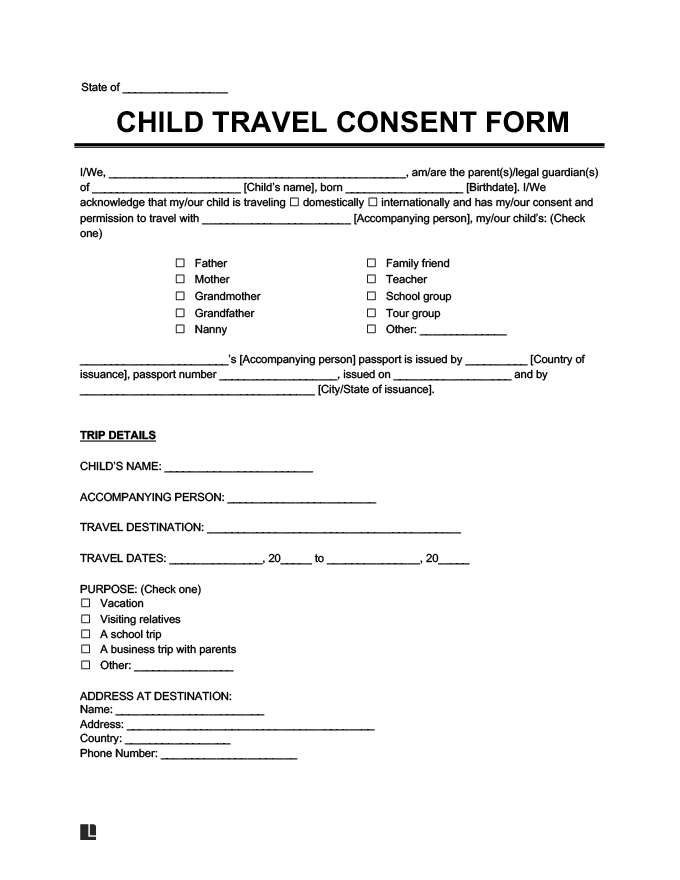
✅ Notarized Parental Consent (If Only One Parent Traveling)
Sample Language: "I, [Non-traveling parent name], give permission for my
child [Player name] to travel to [Destination] from [Dates] with
[Traveling parent name] for the purpose of youth soccer tournament
participation. I can be reached at [Phone] and [Email] for any
emergency authorization needs."
✅ Medical Information Packet
- Insurance cards and policy information
- Emergency medical contact information
- Complete medication list with generic names
- Known allergies and medical conditions
- Pediatrician contact information
Soccer-Specific Documentation
✅ Player Registration Verification
- US Youth Soccer Association registration confirmation
- Current team roster and coach certification
- Player insurance verification through team/club
- Previous tournament participation history (if applicable)
Documentation Organization Strategy
Physical Copies (Carry-On Bag):
- Passport and travel authorization
- Flight confirmations and seat assignments
- Travel insurance policy and claim contact information
- Emergency contact information and medical details
- Notarized parental consent (if applicable)
Digital Copies (Cloud Storage + Offline Phone Storage):
- All physical documents photographed clearly
- Hotel and tournament confirmation numbers
- Important phone numbers and addresses
- Travel itinerary and transportation information
Backup Strategy:
- Leave copies with trusted family member at home
- Email copies to your own email account for easy access
- Store copies in multiple cloud services (Google Drive, iCloud, etc.)
Financial Planning & Investment Strategy
True Total Cost Analysis
Most families underestimate total European soccer experience costs by 30-40%. Here's realistic budget planning:
Core Experience Costs
| Expense Category | Donosti Cup | Gothia Cup | Academy Tour |
|---|---|---|---|
| Base Package | $2,750-$4,000 | $3,200-$3,750 | $2,900-$3,500 |
| Flights (Family of 4) | $2,400-$3,600 | $2,800-$4,200 | $2,600-$3,800 |
| Travel Insurance | $180-$320 | $200-$360 | $190-$330 |
| Passports (if needed) | $300-$660 | $300-$660 | $300-$660 |
| Equipment & Gear | $200-$500 | $200-$500 | $250-$600 |
On-Site Additional Costs
| Expense Category | Low Estimate | High Estimate |
|---|---|---|
| Additional Meals | $150-$300 | $400-$600 |
| Cultural Activities | $100-$200 | $300-$500 |
| Shopping & Souvenirs | $200-$400 | $500-$800 |
| Local Transportation | $50-$100 | $150-$250 |
| Emergency Fund | $300-$500 | $500-$800 |
Total Realistic Investment Range
- Conservative Family: $6,500-$9,500
- Moderate Family: $8,000-$12,000
- Comfortable Family: $10,000-$15,000
Payment Strategy & Timeline
Early Bird Advantage (Book 6+ Months Early)
Benefits:
- $400-$800 savings on core package
- Better flight prices and schedule options
- Preferred accommodation assignments
- Extended payment plan eligibility
Optimal Payment Structure:
- Deposit (Booking): 25% of core package
- Second Payment (90 days out): 50% of remaining balance
- Final Payment (30 days out): Final balance plus additional expenses
Financing Options for Families
Option 1: Dedicated Savings Plan
- Set up automatic transfer: $200-$400/month starting 12-18 months early
- Use high-yield savings account for gradual accumulation
- Involve player in savings process for investment ownership
Option 2: Payment Plan Programs
- Most tour operators offer 0% interest payment plans
- Typical structure: 50% deposit, 6 monthly payments
- Requires automatic payment setup and good credit standing
Option 3: Creative Funding Strategies
- Youth soccer fundraising through local business sponsorships
- Family tournament fund contributions (holidays, birthday gifts)
- Player job/chore earning programs for personal investment
- Community crowdfunding for exceptional circumstances
Tax Considerations & Deductions
Potentially Deductible Expenses (Consult Tax Professional):
- Training camps and development programs (if player is potential college recruit)
- Equipment and gear for competitive sport participation
- Travel expenses for documented competitive athlete development
Record Keeping Requirements:
- Save all receipts and document business purpose
- Maintain tournament registration and competitive context documentation
- Track player development outcomes and college recruitment activity
Training & Physical Preparation
8-Week Pre-Tournament Training Plan
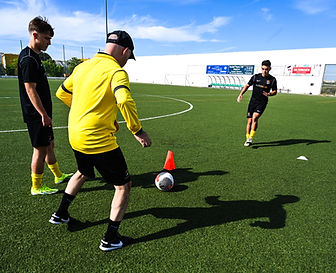
European soccer demands different physical and technical preparation than typical American youth soccer. This structured plan optimizes performance while preventing over-training injuries.
Weeks 1-2: Base Building
Physical Focus: Cardiovascular base and injury prevention
- 3x/week: 30-40 minute runs at conversational pace
- 2x/week: Dynamic warm-up and flexibility sessions
- 2x/week: Core strengthening and stability work
Soccer Focus: Technical skill refinement
- Daily: 15-20 minutes individual ball work (juggling, touches, moves)
- 3x/week: Team training with emphasis on first touch and passing
- 1x/week: Small-sided games for decision making under pressure
Weeks 3-4: Intensity Building
Physical Focus: Game-speed preparation
- 2x/week: High-intensity interval training (30 seconds on, 90 seconds rest, 8 rounds)
- 2x/week: Agility and change of direction work
- 3x/week: Sport-specific strength training
Soccer Focus: Tactical preparation
- Daily: 20-25 minutes individual technical work
- 3x/week: Position-specific training and tactical understanding
- 2x/week: Scrimmages with tournament-style intensity
Weeks 5-6: Peak Performance
Physical Focus: Peak conditioning
- 2x/week: Match-simulation training (90 minutes with breaks)
- 2x/week: Power and explosiveness work
- 3x/week: Recovery and maintenance sessions
Soccer Focus: Game preparation
- Daily: 25-30 minutes individual mastery work
- 3x/week: Match-simulation with different playing styles
- 1x/week: Set piece and specialty situation practice
Weeks 7-8: Taper and Preparation
Physical Focus: Maintain fitness while preventing injury
- 2x/week: Moderate intensity maintenance sessions
- 3x/week: Mobility and recovery work
- 1x/week: Light scrimmage for rhythm
Soccer Focus: Mental preparation and confidence
- Daily: 15-20 minutes technical maintenance
- 2x/week: Visualization and mental preparation exercises
- 1x/week: Fun, creative soccer activities for joy and confidence
European Soccer Style Preparation
Technical Differences to Emphasize
First Touch Excellence: European players expect and execute perfect first touches under pressure
- Practice: Wall passes with varying speeds and angles
- Game Application: Receive pass, immediate next action prepared
Tactical Awareness: European soccer emphasizes positional intelligence over athleticism
- Practice: Small-sided games with specific positional responsibilities
- Game Application: Understand where teammates and opponents will be, not just where they are
Possession Under Pressure: European style values keeping the ball over direct play
- Practice: Possession games with numerical advantages/disadvantages
- Game Application: Always have a back pass or safe option available
Mental Preparation Strategies
Cultural Adaptation Preparation:
- Watch European youth tournament videos to understand pace and style
- Practice communicating with limited shared language (hand signals, simple words)
- Develop confidence in individual skill ability to overcome communication barriers
Competition Mindset Development:
- Emphasize representing family, team, and country positively
- Practice performing well when nervous or outside comfort zone
- Build resilience for different playing styles and referee interpretations
Packing & Logistics
The Strategic Packing Approach
European travel involves frequent movement, varying weather, and specific cultural expectations. Strategic packing reduces stress and ensures comfort.
Soccer-Specific Packing Checklist
Essential Soccer Gear (Carry-On):
- 2 pairs properly broken-in cleats (different conditions)
- 4-5 pairs soccer socks
- Shin guards (2 pairs)
- Goalkeeper gloves (if applicable)
- Ball pump and pressure gauge
- Athletic tape and basic first aid
Tournament Clothing (Pack 2-3 Extra Days Worth):
- Team uniforms (home and away)
- Training gear for multiple weather conditions
- Base layers for temperature regulation
- Rain gear and windbreaker
- Casual clothing for team dinners and activities
Recovery and Comfort Items:
- Foam roller or massage stick
- Ice packs (instant activation type)
- Compression garments
- Comfortable recovery shoes
- Sleep comfort items (travel pillow, eye mask)
Cultural Appropriateness Guidelines
General European Expectations:
- More formal dress for dinners and cultural activities
- Comfortable walking shoes essential (cobblestone streets common)
- Layers for variable weather and indoor/outdoor transitions
- Modest clothing for religious or cultural site visits
Country-Specific Considerations: Spain (Donosti Cup): Beach-appropriate clothing, sun protection, casual but neat dinner attire Sweden (Gothia Cup): Weather variability preparation, slightly more formal cultural expectations Multi-Country (Academy Tour): Versatile clothing for different cultural contexts and climates
Technology and Electronics Strategy
Essential Technology:
- Unlocked phone with international plan or local SIM capability
- Power bank and charging cables
- European outlet adapters (Type C for most EU countries)
- Camera or GoPro for memory capture
- Offline maps and translation apps downloaded
Data Management:
- Backup photo/video storage plan
- Emergency contact information saved offline
- Important documents stored in cloud and offline
- Entertainment for travel days (downloaded movies, books, games)
Weight and Space Optimization
Airline Restriction Strategy
Checked Bag Planning (50 lbs typical limit):
- Soccer gear and equipment (heaviest items)
- Bulk clothing and shoes
- Gifts and souvenirs space reserved
- Non-essential comfort items
Carry-On Optimization (Personal item + carry-on):
- Essential soccer gear that can't be replaced
- One complete change of clothes
- All medications and health items
- Important documents and electronics
- Valuable items (jewelry, expensive equipment)
European Shopping Integration
Plan to Purchase in Europe:
- Tournament-specific merchandise and souvenirs
- Local sport and outdoor gear (often higher quality/different styles)
- Cultural clothing or accessories
- Food specialties and gifts for family at home
Avoid Packing/Plan to Replace:
- Toiletries (easily purchased, saves weight)
- Heavy winter clothing (rent or buy if weather surprises)
- Bulky electronics with European alternatives
- Extensive book or entertainment collections
Cultural Preparation
Cultural Intelligence Development
Successful European soccer experiences extend far beyond tournament performance. Cultural preparation enhances enjoyment, builds confidence, and creates lasting memories.
Language Preparation Strategy
Basic Communication Essentials (Learn for Each Destination):
- Polite greetings and thank you expressions
- Emergency phrases ("Help," "I need a doctor," "Where is...")
- Soccer terminology and field directions
- Numbers 1-20 and basic time expressions
- Food allergies and dietary restrictions
Practical Language Learning Approach:
- Duolingo or Babbel: 15 minutes daily for 2 months before travel
- YouTube Soccer Videos: Watch destination youth soccer content
- Cultural Phrase Cards: Laminated cards with essential expressions
- Family Practice: Practice conversations together for confidence
Social Customs and Expectations
General European Soccer Culture:
- Respect for referees and opponents is paramount
- Post-game handshakes and team recognition expected
- Parents expected to be supportive but not overly vocal during matches
- Team meals and activities include all players regardless of playing time
Destination-Specific Cultural Preparation:
Spain (Donosti Cup):
- Later meal times (lunch 2-3pm, dinner 9-10pm)
- More relaxed approach to time and scheduling
- Physical affection in greetings (cheek kisses) is normal
- Soccer viewed as art form, technical skill highly valued
Sweden (Gothia Cup):
- Punctuality and organization highly valued
- Environmental consciousness and outdoor appreciation
- Equality and fair play emphasized over individual achievement
- More reserved social interaction style initially
Multi-Country (Academy Tour):
- Adaptability and cultural flexibility essential
- Professional training environments require focus and respect
- Different coaching styles and communication approaches
- Emphasis on technical development over winning
Food and Dietary Preparation
European Eating Pattern Adjustment:
- Breakfast typically lighter than American standard
- Lunch often largest meal of day
- Dinner served later than American custom
- Snacking between meals less common
Dietary Restriction Management:
- Research destination-specific dietary accommodation norms
- Learn to communicate food allergies and restrictions clearly
- Pack essential dietary supplements or special foods if needed
- Encourage adventurous eating while maintaining safety
Expectation Management by Age Group
Ages 8-11: Wonder and Discovery Focus
Preparation Approach:
- Emphasize adventure and new experiences over competition
- Use age-appropriate books and videos about destination countries
- Practice independence skills (ordering food, basic navigation)
- Prepare for homesickness with comfort items and communication plans
Cultural Learning Activities:
- Cooking destination country foods at home
- Learning flag recognition and basic geography
- Practicing greetings and basic words through games
- Creating excitement about meeting new friends from other countries
Ages 12-15: Identity and Confidence Building
Preparation Approach:
- Discuss representing their team/club/country positively
- Prepare for different playing styles and referee interpretations
- Emphasize personal growth opportunities over outcome focus
- Address social media sharing and digital citizenship abroad
Cultural Learning Activities:
- Research famous soccer players from destination countries
- Learn about soccer development systems and youth club structures
- Practice ordering food and basic navigation independently
- Discuss cultural differences respectfully and with curiosity
Ages 16-18: Leadership and Future Planning
Preparation Approach:
- Emphasize college recruitment and development opportunities
- Discuss cultural intelligence as life skill for global careers
- Prepare for greater independence and decision-making responsibility
- Connect experience to broader life goals and perspective
Cultural Learning Activities:
- Research university systems and educational approaches in destination countries
- Learn about professional soccer development pathways
- Practice leadership in cultural adaptation and team building
- Develop perspective on global interconnectedness and opportunity
Safety & Emergency Planning
Comprehensive Safety Framework
European travel with youth athletes requires layered safety planning that addresses medical emergencies, communication breakdowns, and unexpected circumstances.
Medical Emergency Preparedness
Pre-Travel Medical Planning:
- Complete sports physical with travel clearance
- Update all routine vaccinations and verify destination requirements
- Secure 90-day supply of all prescription medications
- Research destination medical system and English-speaking provider options
- Verify travel insurance coverage for international medical care
Emergency Medical Kit Assembly: Basic Medical Supplies:
- Prescription medications (carry-on + checked bag backup)
- Over-the-counter pain relievers and fever reducers
- Anti-diarrheal medication and rehydration salts
- Antihistamine for allergic reactions
- Thermometer and basic diagnostic tools
- Band-aids, antiseptic, and wound care supplies
Soccer-Specific Medical Items:
- Instant ice packs and elastic bandages
- Sports tape and pre-wrap
- Blister prevention and treatment supplies
- Muscle strain relief (topical anti-inflammatory)
- Hydration enhancement supplements
- Motion sickness prevention for travel days
Communication and Check-In Protocols
Family Communication Plan:
- Scheduled daily check-in times accounting for time zone differences
- Multiple communication methods (WhatsApp, email, phone, video calls)
- Emergency contact protocols for urgent vs. non-urgent situations
- Social media sharing guidelines and privacy considerations
Emergency Contact Network: Primary Contacts (Save in Phone + Written Backup):
- Tour operator emergency number (24/7 availability)
- US Embassy or Consulate in destination country
- Travel insurance emergency assistance line
- Home pediatrician and specialists
- Trusted family member/friend as home base contact
Local Emergency Numbers:
- Destination country emergency services (112 for EU)
- Local police and medical services
- Hotel/accommodation emergency contacts
- Tournament director and staff emergency numbers
Risk Assessment and Mitigation
Common Risk Categories and Prevention:
Medical Emergencies:
- Risk: Injury during training or competition
- Mitigation: Proper warm-up, hydration, rest, immediate injury assessment
- Response Plan: Tournament medical staff, evacuation insurance, family notification
Lost/Separated Individual:
- Risk: Player or family member becomes separated from group
- Mitigation: Buddy system, clear meeting points, charged phones with emergency contacts
- Response Plan: Immediate check-in protocol, local authority notification, tour operator assistance
Documentation Issues:
- Risk: Lost passport or travel documents
- Mitigation: Multiple copies (physical and digital), secure storage
- Response Plan: US Embassy assistance, backup documentation access, expedited replacement procedures
Cultural Misunderstandings:
- Risk: Unintentional cultural offense or legal misunderstanding
- Mitigation: Pre-travel cultural education, tour operator guidance
- Response Plan: Immediate tour operator consultation, local authority cooperation, embassy assistance if needed
Travel Insurance Strategy
Essential Coverage Components
Medical Coverage Abroad:
- Emergency medical treatment and hospitalization
- Medical evacuation and repatriation
- Prescription medication replacement
- Dental emergency treatment
- 24/7 medical consultation access
Trip Protection:
- Trip cancellation for covered reasons (illness, family emergency, etc.)
- Trip interruption and early return costs
- Delayed departure and missed connections
- Baggage loss and personal property protection
- Tournament cancellation or significant changes
Soccer-Specific Considerations:
- Sports injury coverage (verify soccer is included activity)
- Equipment replacement for damaged or lost gear
- Tournament registration fee protection
- Additional accommodation costs for injury-related delays
Insurance Provider Evaluation
Recommended Coverage Levels:
- Medical Coverage: Minimum $100,000 per person
- Evacuation Coverage: Minimum $500,000 per incident
- Trip Cancellation: 100% of non-refundable trip costs
- Baggage Coverage: $2,500+ per person including sports equipment
Quality Indicators:
- 24/7 multilingual emergency assistance
- Direct payment to medical providers (not reimbursement only)
- Coverage for pre-existing medical conditions (with proper declaration)
- Positive customer reviews for claims processing speed and fairness
Managing Expectations: Age-Appropriate Guidance
Setting Realistic Tournament Expectations
European soccer tournaments operate differently than American youth soccer. Proper expectation setting prevents disappointment and maximizes enjoyment.
Competition Level Reality Check
Tournament Intensity Expectations:
- Higher Technical Standard: European players often demonstrate superior ball control and tactical awareness
- Different Playing Style: More possession-based, tactical approach vs. American directness
- Referee Interpretation: Different foul standards and game flow expectations
- Weather Impact: Playing in different climates affects game pace and player performance
Success Redefinition:
- Development Over Results: Emphasize learning and improvement over wins/losses
- Cultural Exchange Value: Relationships and experiences matter more than trophies
- Personal Growth Measurement: Confidence, independence, and global perspective gains
- Team Building Focus: Strengthened team relationships and collective memories
Age-Specific Expectation Management
Ages 8-11: Discovery and Fun Focus Realistic Expectations:
- Playing time may be different due to tournament structure
- Homesickness is normal and temporary
- New foods and customs require patience and openness
- Language barriers are learning opportunities, not obstacles
Success Indicators:
- Eagerness to try new experiences
- Positive interactions with international players
- Improved confidence in unfamiliar situations
- Happy memories and stories to share at home
Ages 12-15: Challenge and Growth Focus Realistic Expectations:
- Competition level may be higher than domestic tournaments
- Different coaching styles and tactical approaches require adaptation
- Social dynamics with international players take time to develop
- Individual performance may vary due to environmental changes
Success Indicators:
- Tactical understanding improvement
- Resilience in challenging situations
- Cultural appreciation and global perspective development
- Leadership and teamwork growth in diverse environments
Ages 16-18: Development and Future Focus Realistic Expectations:
- Professional-level organization and expectations in some environments
- College recruitment opportunities exist but aren't guaranteed
- Independent decision-making and problem-solving will be required
- Cultural intelligence development is as important as soccer skills
Success Indicators:
- Mature response to challenges and setbacks
- Networking and relationship building with international contacts
- Clear articulation of learning and development outcomes
- Enhanced college recruitment profile and personal growth evidence
Family Dynamic Management
Traveling Parent Preparation
Role Clarification:
- Support Role: Enthusiastic encouragement without pressure
- Cultural Ambassador: Represent family and country positively
- Safety Manager: Monitor health, safety, and emotional well-being
- Memory Facilitator: Capture experiences while staying present
Common Parent Challenges and Solutions:
Over-Investment in Performance:
- Challenge: Pressure for results to justify expense
- Solution: Focus on process and experience value over outcome measures
Cultural Anxiety:
- Challenge: Discomfort with different customs and languages
- Solution: Embrace learning mindset and rely on tour operator guidance
Comparison Syndrome:
- Challenge: Comparing player/family experience to others
- Solution: Focus on individual growth and unique experience value
Communication Overwhelm:
- Challenge: Constant photo/video sharing disrupts presence
- Solution: Scheduled communication times with focused attention periods
Sibling and Extended Family Considerations
Non-Traveling Siblings:
- Plan special activities or experiences for siblings staying home
- Create sharing opportunities for traveling sibling to include family
- Address potential jealousy or resentment with understanding and future planning
- Maintain regular communication during travel to include non-traveling family
Extended Family Involvement:
- Leverage grandparents and relatives as support system during travel
- Create sharing mechanisms for extended family to follow experience
- Plan post-travel sharing opportunities for extended family engagement
- Consider extended family contribution to experience as gift opportunity
Post-Experience Integration
Maximizing Long-Term Value
The European soccer experience doesn't end when you return home. Strategic integration ensures lasting impact on player development and family perspective.
Immediate Return Activities (First 2 Weeks)
Experience Processing:
- Family debrief sessions about highlights, challenges, and learning
- Photo and video organization for long-term memory preservation
- Thank you communications to tour operators and new international friends
- Social media sharing with positive messaging about experience
Soccer Development Integration:
- Skill and tactical improvements practice and reinforcement
- Share European techniques and approaches with home coaches
- Maintain fitness level achieved during intensive tournament period
- Set development goals based on European experience insights
Medium-Term Integration (2-6 Months)
Cultural Perspective Maintenance:
- Continue language learning initiated during travel
- Explore destination country culture through food, music, and customs at home
- Maintain communication with international friends through social media
- Share experiences through school presentations or community speaking
Soccer Progression Planning:
- Evaluate performance and development areas identified during European experience
- Research additional European opportunities for future years
- Connect European experience to college recruitment and player resume
- Seek out diverse playing opportunities that build on international experience
Long-Term Impact Cultivation (6+ Months)
Character and Perspective Development:
- Reference European experience for resilience and adaptability in challenging situations
- Use cultural intelligence gained for leadership opportunities in diverse environments
- Apply global perspective to academic and career planning
- Mentor other families considering European soccer experiences
Soccer Career Development:
- Incorporate European training methodologies into ongoing development
- Seek coaching and playing opportunities that value international experience
- Plan multi-year European development pathway if appropriate
- Use experience as foundation for potential study abroad or international career opportunities
Conclusion: Your Family's European Soccer Journey
Planning a European soccer experience represents one of the most significant investments in your child's athletic and personal development. The details may seem overwhelming, but remember: thousands of families successfully navigate this journey every year.
The key to success isn't perfect planning—it's thoughtful preparation combined with openness to unexpected learning and growth opportunities.
Your Next Steps:
- Determine Your Family's Readiness - Honestly assess timeline, financial capacity, and family commitment level
- Choose Your Experience - Use our assessment tool to identify which experience matches your goals
- Create Your Preparation Plan - Follow this guide's timeline and checklist approach
- Embrace the Journey - Remember that challenges and surprises often create the most meaningful memories
European soccer experiences change families, not just players. Parents return with expanded perspectives on youth development, cultural appreciation, and global opportunities. Players gain technical skills, cultural intelligence, and confidence that serves them far beyond soccer.
The investment you're making extends far beyond soccer improvement—you're investing in your child's global citizenship and expanded life possibilities.
Ready to begin your European soccer journey?
Take Our 2-Minute Family Assessment →
Get personalized recommendations based on your specific goals, timeline, and preferences. Our soccer travel specialists will guide you through the process and ensure your family's European experience exceeds expectations.
Questions about planning your European soccer experience? Contact our family travel specialists at [email protected] or call (555) 123-GOAL.
This guide represents comprehensive planning advice based on 1,200+ successful family experiences. Individual needs may vary—our specialists provide personalized guidance for unique circumstances or special requirements.